


- Hôtel
- Restaurant
- Événements
ABBAYE DE LA BUSSIERE
Bourgogne
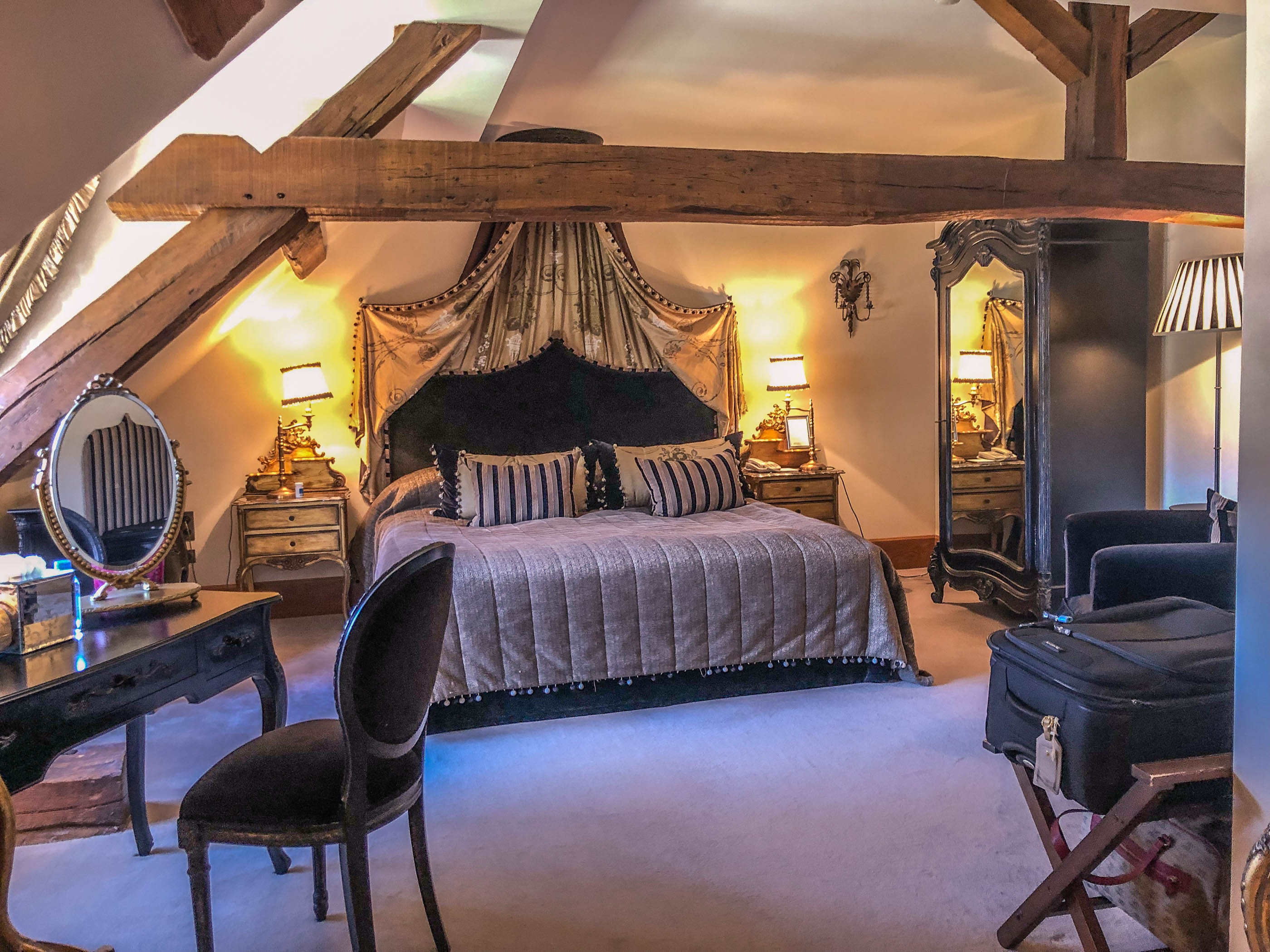
Vous voici à l’orée d’un site exceptionnel chargé d’histoire, façonné par les hommes qui l’ont édifié et qui y ont vécu durant des siècles. Majesté des bâtiments, beauté pure et simple de la pierre au cœur d’un parc de 7 hectares…
Un sentiment de paix et une sérénité profonde vous enveloppent délicatement, comme si les moines cisterciens avaient laissé un peu de leur spiritualité au-delà des âges.




L’art
de vivre
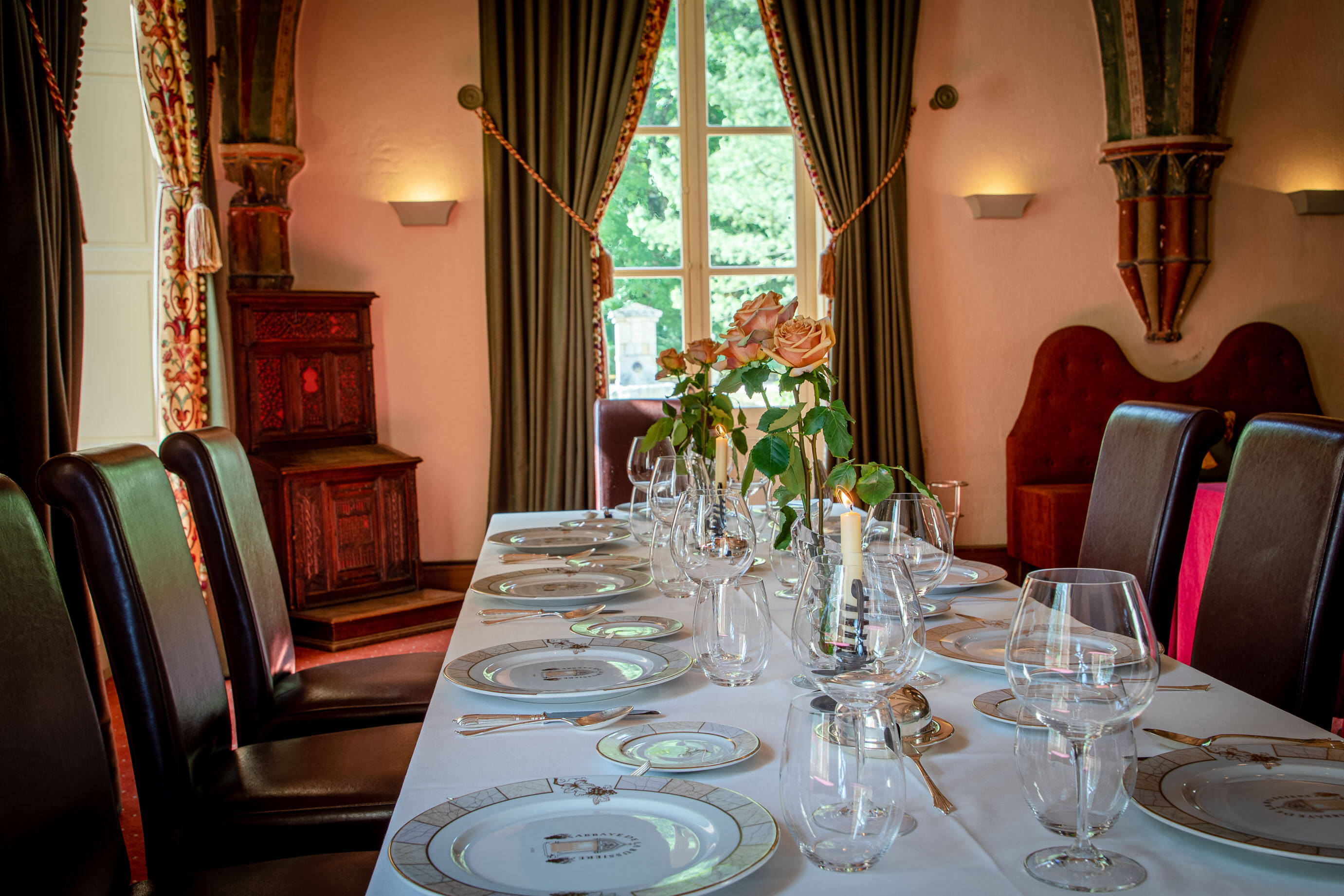
L’Abbaye de la Bussière abrite en ses murs deux restaurants : Le 1131, un restaurant gastronomique niché sous des voûtes majestueuses. Un cadre sans pareil pour expérience de haute cuisine. Le Bistrot des Moines installé dans l’ancienne cuisine des moines, gourmand et convivial. A l’œuvre, Le Chef de Cuisine, fervent défenseur du terroir bourguignon et fervent défenseur des produits locaux, frais, de saison d’une qualité extrême.
L’Abbaye de Bussière est aussi le cadre idéal pour vos événements professionnels (séminaires, formations, réunions de direction, workshops etc.) et vos réceptions privées (mariage avec cérémonie possible dans la crypte consacrée, anniversaire, fête). Prestige, verdure et service très haut de gamme.
votre événement à l'Abbaye

nos actualités
